What Are Lab Grown Diamonds?
Lab grown diamonds are real diamonds. They have the same chemical composition, the same crystal structure and the same physical properties as diamonds that form underground. The difference is where they come from. Instead of being extracted from the earth through mining, lab grown diamonds are created in a controlled environment using advanced technology that replicates the natural conditions under which diamonds form.
This is not a simulation or an imitation. A lab grown diamond is carbon, arranged in the same cubic crystal structure as any mined diamond. It has the same hardness (10 on the Mohs scale), the same refractive index, the same thermal conductivity. Even a trained gemmologist cannot tell the difference with the naked eye. The only way to distinguish a lab grown diamond from a mined one is with specialised equipment that detects subtle differences in trace elements.
The term "lab grown" sometimes causes confusion. People hear "lab" and think of something synthetic or artificial. But the word synthetic, when applied to diamonds, simply means the growth process was initiated by humans rather than by geological forces. The end product is identical.
How Are Lab Grown Diamonds Made?
There are two main methods used to grow diamonds in a laboratory: HPHT and CVD.
HPHT (High Pressure, High Temperature)
This method mimics the conditions deep within the earth where natural diamonds form. A small diamond seed is placed into a chamber along with a carbon source, typically graphite. The chamber is then subjected to pressures of around 5 to 6 GPa (roughly 1.5 million pounds per square inch) and temperatures above 1,400 degrees Celsius. Under these conditions, the carbon dissolves and crystallises around the seed, atom by atom, forming a diamond over the course of several days to weeks.
HPHT has been used since the 1950s, originally for industrial purposes. The technology has advanced significantly and now produces gem quality stones suitable for jewellery.
CVD (Chemical Vapour Deposition)
CVD works differently. A thin diamond seed is placed inside a sealed chamber, which is then filled with a carbon rich gas, usually methane. The gas is heated to around 800 to 1,200 degrees Celsius using microwave energy, which breaks down the gas molecules and releases individual carbon atoms. These atoms settle onto the diamond seed and bond to it layer by layer, gradually building up a larger diamond crystal.
CVD tends to produce diamonds with fewer metallic inclusions than HPHT, and the process allows for more control over the growing conditions. Most of the lab grown diamonds used in fine jewellery today are produced using CVD.
Both methods produce genuine diamonds. The method used does not affect the quality or appearance of the finished stone, though it can influence the type of inclusions present, which is relevant to grading.
Lab Grown vs Mined Diamonds
The question most people ask is: what is the actual difference? Here is a straightforward comparison.
Composition: Identical. Both are pure carbon in a diamond crystal lattice.
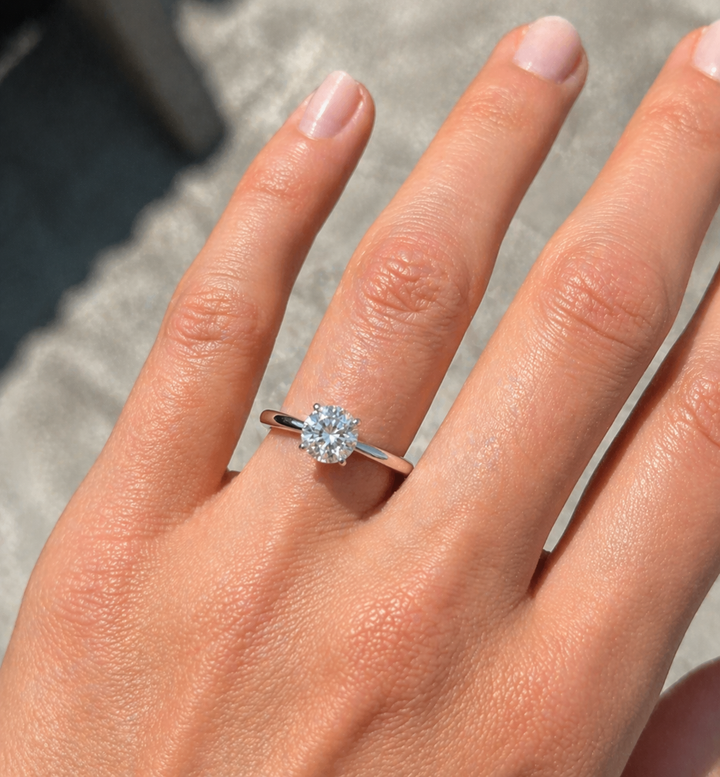
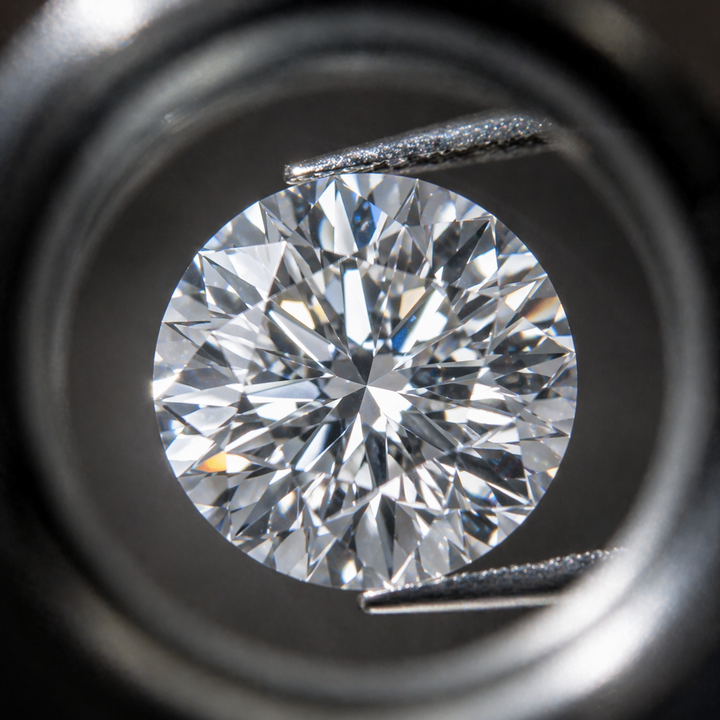
Appearance: Identical to the naked eye. Lab grown diamonds display the same brilliance, fire and scintillation as mined diamonds. See for yourself across our collections.
Hardness: Identical. Both score 10 on the Mohs scale.
Grading: Lab grown diamonds are graded using the same 4Cs system (cut, colour, clarity, carat) by the same independent laboratories, including the IGI and GIA.
Price: This is where the difference is significant. Lab grown diamonds typically cost 60 to 80 percent less than mined diamonds of equivalent size and quality. A 1 carat lab grown diamond that might cost £800 to £1,500 could cost £4,000 to £8,000 as a mined stone with the same specifications.
Environmental impact: Lab grown diamonds require significantly less land disruption and water usage than mining operations. There is an energy cost to production, but many facilities are moving toward renewable energy sources. There is no displacement of communities or ecosystems.
Supply chain: Lab grown diamonds have a fully traceable origin. You know exactly where and when the stone was created. Mined diamonds pass through multiple hands and borders before reaching a jeweller, which makes full traceability harder to guarantee.
The choice between lab grown and mined is a personal one. Some people value the geological history of a natural diamond. Others prefer the ethics, traceability and value that lab grown diamonds offer. Neither choice is wrong.
Understanding the 4Cs
Lab grown diamonds are graded using the same system as mined diamonds. Here is what each of the 4Cs means and what to prioritise when choosing a stone.
Cut
Cut is the most important factor in how a diamond looks. It refers to how well the stone has been shaped and faceted, and it directly affects how light moves through the diamond. A well cut stone will have more brilliance (white light reflection), fire (colour dispersion) and scintillation (sparkle when moved).
Cut is graded from Excellent to Poor. We recommend prioritising cut above all other factors. A slightly smaller diamond with an excellent cut will look more impressive than a larger one with a mediocre cut.
Colour
Diamond colour is graded on a scale from D (colourless) to Z (noticeable yellow or brown tint). The differences between adjacent grades are subtle, especially once a stone is set in a ring. Grades D to F are colourless. G to J are near colourless and offer excellent value, as most people cannot distinguish these from D to F once the diamond is mounted.
Clarity
Clarity measures the presence of internal inclusions and external blemishes. The scale runs from FL (flawless) to I3 (inclusions visible to the naked eye). For most people, VS1 to VS2 (very slightly included) represents the sweet spot: the inclusions exist but are invisible without magnification.
Carat
Carat is simply weight. One carat equals 0.2 grams. Larger diamonds are rarer and therefore more expensive per carat, but carat weight alone does not determine how large a diamond appears. A well cut 0.9 carat stone can look larger than a poorly cut 1.1 carat stone because of how it reflects light.
Our recommendation: prioritise cut first, then colour and clarity to a level where any imperfections are invisible in normal wear, and let carat weight follow your budget.
Are Lab Grown Diamonds Certified?
Yes. Lab grown diamonds are certified by the same independent gemological laboratories that grade mined diamonds. The most widely recognised are:
IGI (International Gemological Institute): The most common certification body for lab grown diamonds. Every diamond is assessed individually for cut, colour, clarity and carat weight, and issued a detailed report.
GIA (Gemological Institute of America): The GIA also grades lab grown diamonds, though they use the term "laboratory grown" on their reports to distinguish them from mined stones.
At Luma, every diamond we sell comes with an independent grading report. This is not optional. It is how we ensure that what we describe is what you receive.
How Much Do Lab Grown Diamonds Cost?
Pricing depends on the 4Cs, the shape of the stone and the setting you choose. As a general guide, lab grown diamonds cost 60 to 80 percent less than mined diamonds of the same specification.
At Luma, our engagement rings start from £820 and our everyday diamond jewellery starts from around £500. Every engagement ring can be customised to your specification: choose the diamond shape, carat weight, metal and setting directly from the product page. These prices include the diamond, the setting, the metalwork and the making. Because we design and sell direct from Hatton Garden with no retail middlemen, the price you see reflects the actual cost of materials and craftsmanship.
If you are comparing prices across jewellers, make sure you are comparing like for like. Check the carat weight, cut grade, colour, clarity and certification. A lower price sometimes means a lower specification, not a better deal.
Do Lab Grown Diamonds Last?
Yes. A lab grown diamond is a diamond. It will not cloud, fade, change colour or lose its brilliance over time. It has the same hardness and durability as a mined stone, which means it is suitable for everyday wear, including engagement rings.
The only thing that can scratch a diamond is another diamond. With normal care, a lab grown diamond will look the same in fifty years as it does today.
Why Choose Lab Grown?
There are three main reasons people choose lab grown diamonds.
Value. You get a larger, higher quality diamond for the same budget. Or you get the same diamond for significantly less. Either way, more of your money goes into the stone and the craft rather than into a supply chain.
Ethics. Lab grown diamonds do not involve mining, which means no land displacement, no community disruption and full traceability from creation to your finger. You know exactly where your diamond came from.
Quality. Because the growing environment is controlled, lab grown diamonds often have fewer inclusions than mined stones at the same price point. You can be more selective about cut, colour and clarity without stretching your budget.
What to Look For When Buying
If you are buying a lab grown diamond for the first time, here is what matters.
Certification. Always buy a diamond that comes with an independent grading report from a recognised lab (IGI or GIA). This confirms exactly what you are getting.
Cut quality. This is the single biggest factor in how your diamond looks. Go for Excellent or Ideal cut grades.
The setting. The metalwork matters as much as the stone. Look for solid gold (9K, 14K or 18K) or 950 platinum. Avoid plated or filled metals for pieces you plan to wear daily. You can see the metal and setting options across our rings, necklaces, bracelets and earrings collections.
The jeweller. Buy from someone who specialises in lab grown diamonds and can explain exactly what you are getting. Ask about their sourcing, their making process and their aftercare.
At Luma, we work exclusively with lab grown diamonds and design everything from our Hatton Garden workshop. Every piece is made to order. For engagement rings, you pick the design you like from our collection and then customise it on the product page: choose your diamond shape, carat, metal and setting. For everyday jewellery, browse our rings, necklaces, bracelets and earrings. If you have questions about any of this, get in touch at info@lumajewellery.com.
Frequently Asked Questions
Are lab grown diamonds real diamonds? Yes. They are chemically, physically and optically identical to mined diamonds.
Can a jeweller tell the difference? Not with the naked eye. Specialised equipment is needed to detect trace element differences.
Will a lab grown diamond pass a diamond tester? Yes. Diamond testers measure thermal conductivity, which is the same in lab grown and mined diamonds.
Do lab grown diamonds hold their value? Like mined diamonds, lab grown diamonds are not an investment asset. They are purchased for their beauty and personal meaning. The resale market for all diamonds, mined or lab grown, returns significantly less than the purchase price.
How long does it take to grow a diamond? Depending on the size and method, a lab grown diamond takes anywhere from a few days to several weeks to grow.
Are lab grown diamonds ethical? They involve no mining, no land displacement and no supply chain opacity. The energy used in production is the main environmental consideration, and many producers are shifting to renewable sources.
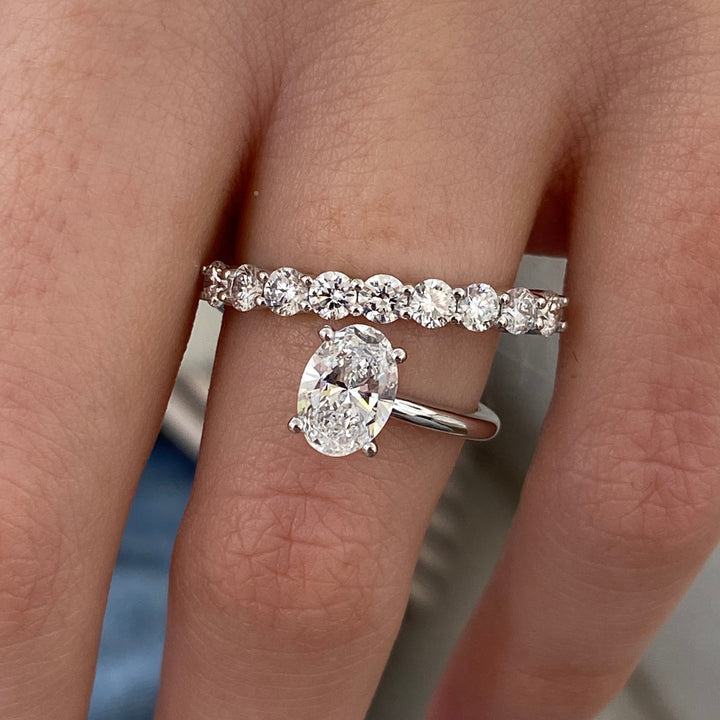
What shapes are available? All of them. Round, oval, emerald, pear, cushion, marquise, princess, radiant, asscher and heart. You can select your preferred shape when customising any ring in our engagement ring collection.