

Jewellery Buying Guide
Buying well comes down to a few decisions. We are going to walk you through them.
What follows is what we tell clients who walk into our studio. It applies whether you shop with us or anywhere else.
Choosing the right piece
Different styles serve different purposes. Some live in your jewellery box for special occasions, others go on once and stay on.
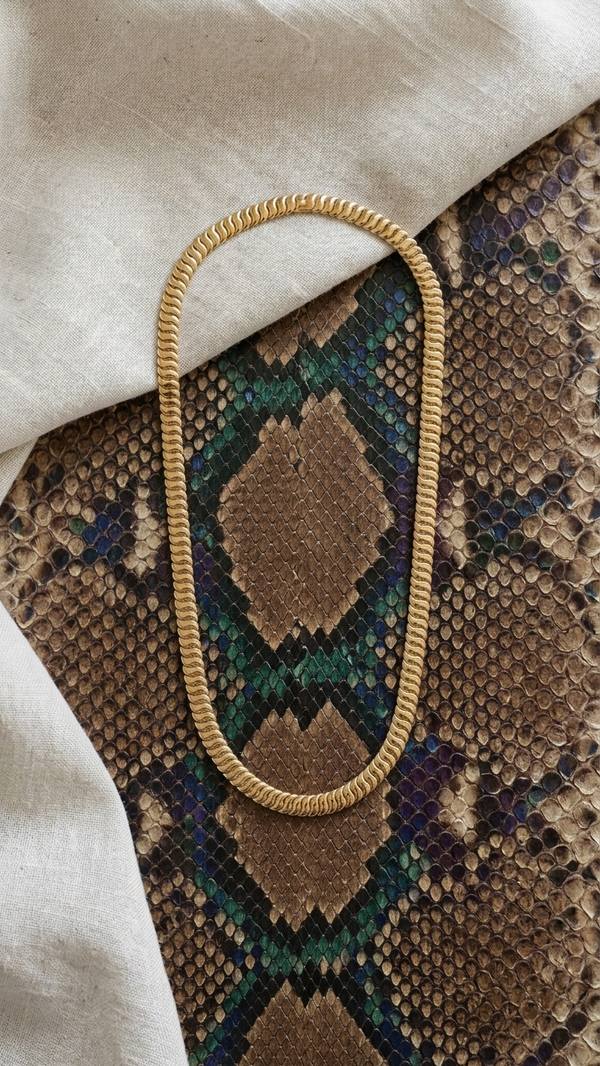
Everyday necklaces
Pendants and chains that layer well and sit close to the skin.
Shop necklaces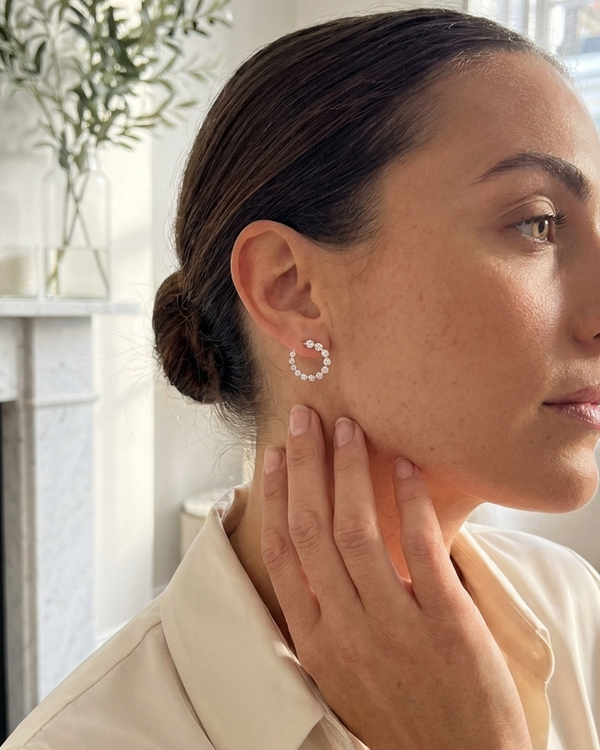
Earrings
Studs, hoops and drop earrings for daily wear or evenings out.
Shop earrings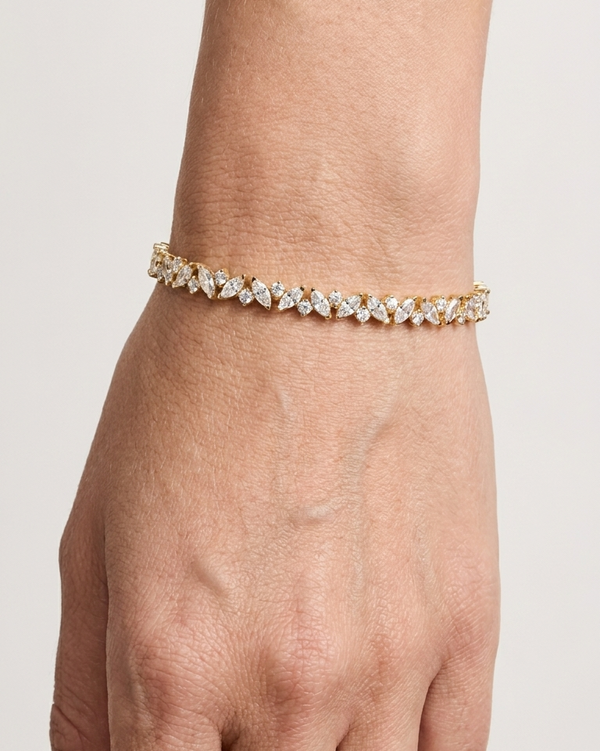
Bracelets
Chain bracelets and bangles, stacked or alone.
Shop bracelets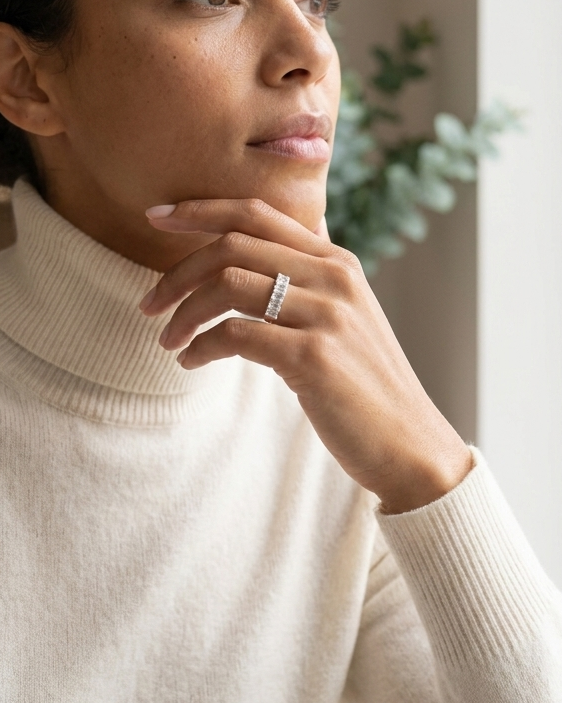
Everyday rings
Stacking rings and statement bands.
Shop rings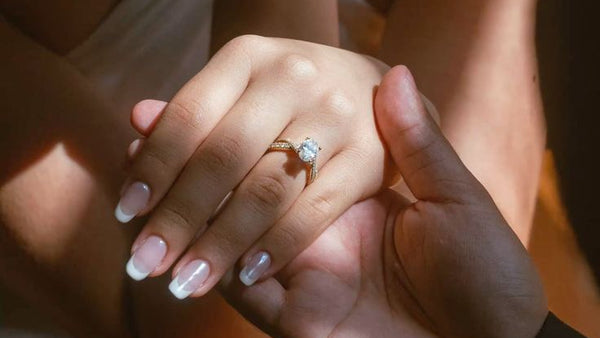
Engagement rings
Solitaires, halos and three stone designs.
Shop engagement rings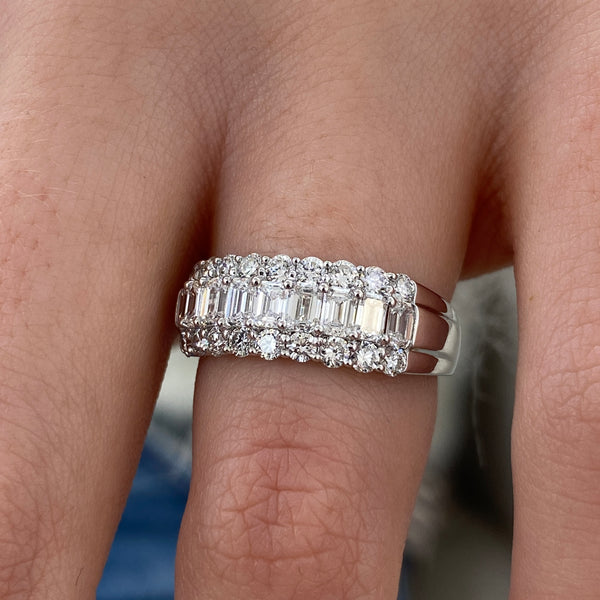
Bespoke jewellery
One off pieces made to your brief.
Explore bespokeWhat you get at each budget
UK jewellery price points break down roughly like this in 2026. Where you sit on this scale affects what you can expect from material and craftsmanship.
Under £200
Sterling silver and gold vermeil pieces. Fine for layering and trying new styles, but plating and vermeil wear off with regular use.
£200 to £600
Solid 9k gold simple chains, bands and bracelets. Sterling silver with semi precious or small diamond accents. Built to last decades with normal wear.
£600 to £1,500
Solid 9k or 18k gold with small to medium lab grown diamonds. Bangles, finer designs and the bulk of fine everyday jewellery.
£1,500 and up
Engagement rings, bespoke pieces, larger lab grown diamonds and 18k gold statement work. The investment tier.
What to look at when buying
Three things tell you whether a piece will last. We look at every piece through these.
01 / Material
The metal does the work
Solid gold holds up best for daily wear, with 18k softer but richer in colour, and 9k harder and more durable. Platinum is the most resistant but the heaviest and the most expensive. Plated pieces look like the real thing on day one but rarely last more than a year of regular wear.
02 / Stones
Where the value sits
Natural diamonds, lab grown diamonds and semi precious stones behave differently in price, value and traceability. Lab grown diamonds are chemically identical to mined diamonds and graded the same way, but cost 50 to 70 percent less and come with shorter supply chains. Semi precious stones, like sapphires and aquamarines, are softer than diamond and need more care.
03 / Craftsmanship
Hidden detail matters
Look for secure stone settings, properly soldered clasps, and a polished finish that does not feel rough at any edge. A piece that looks fine on first inspection can still fail if the work behind it is rushed.
What stays in fashion
Jewellery trends move slowly. A few patterns hold up year after year.
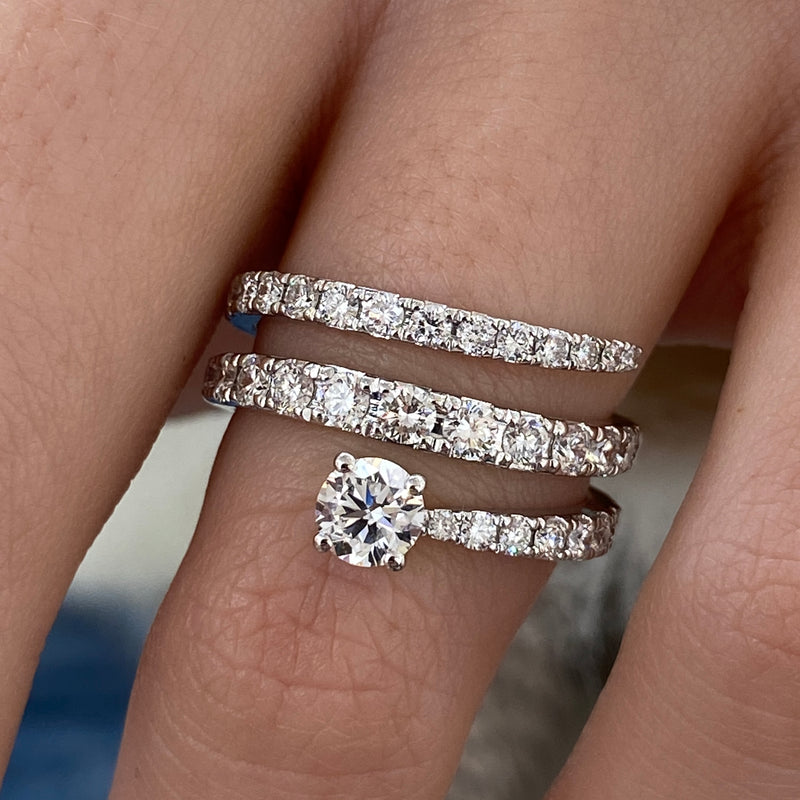
Layered and stacked
Layered necklaces and stackable rings give you flexibility without needing a new piece for every outfit.
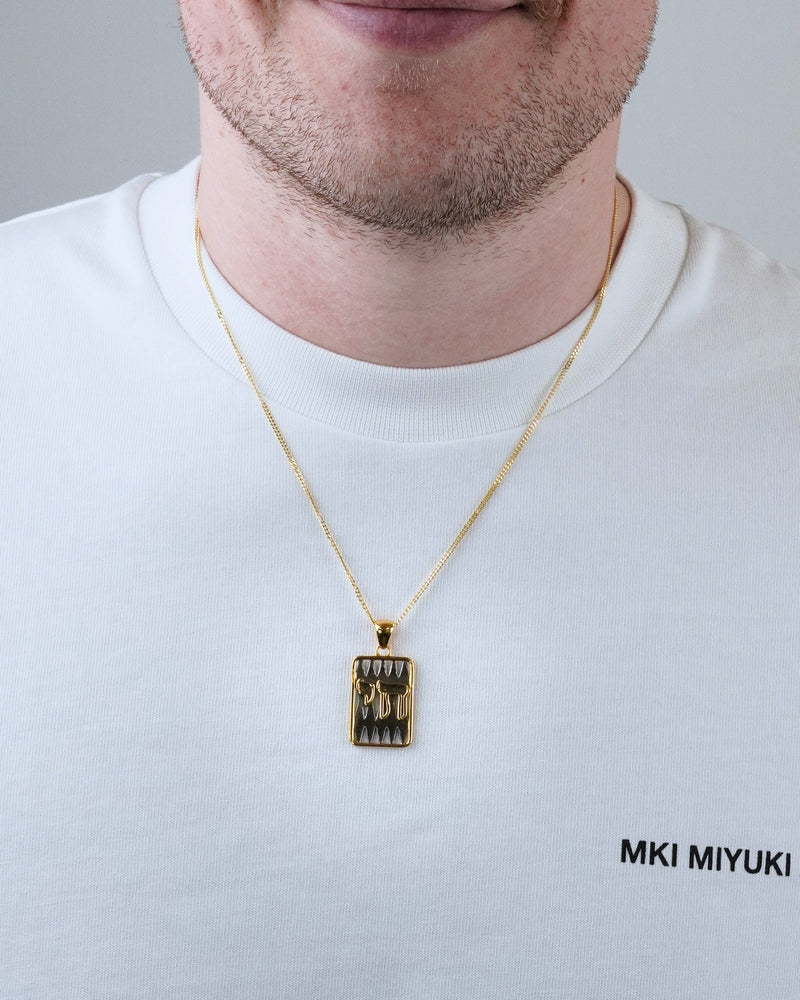
Personalised pieces
Initial pendants, birthstone rings and custom engraving carry meaning without shouting.
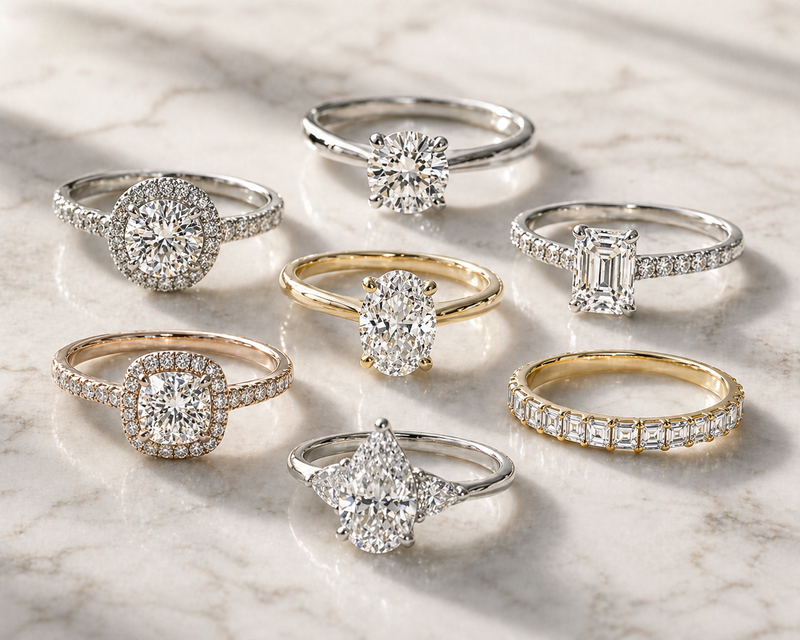
Solitaire and vintage
Simple solitaire and vintage style engagement rings keep selling decade after decade because they work.
How to care for what you buy
Most jewellery problems are preventable. Three habits cover most of what you need.
Store separately
Soft pouches or a lined box to avoid scratches and tangles. Diamonds will scratch other diamonds.
Clean regularly
Warm soapy water and a soft brush. Avoid bleach and ultrasonic cleaners with anything other than diamond or platinum.
Get settings checked
Once a year, especially on engagement rings and pieces with small accent stones. A loose setting is the most common preventable loss.
Come and see for yourself
If you want to talk through a specific piece, we are at 13 Hatton Place in London. Book your timeslot, ask anything, and decide in your own time.
Book a consultation