Choosing an engagement ring can feel overwhelming if you have never done it before. There are shapes, metals, settings, carat weights and price points to consider, and most people have no frame of reference for what matters and what does not. This guide breaks it down into the decisions that actually count.

Start with the shape
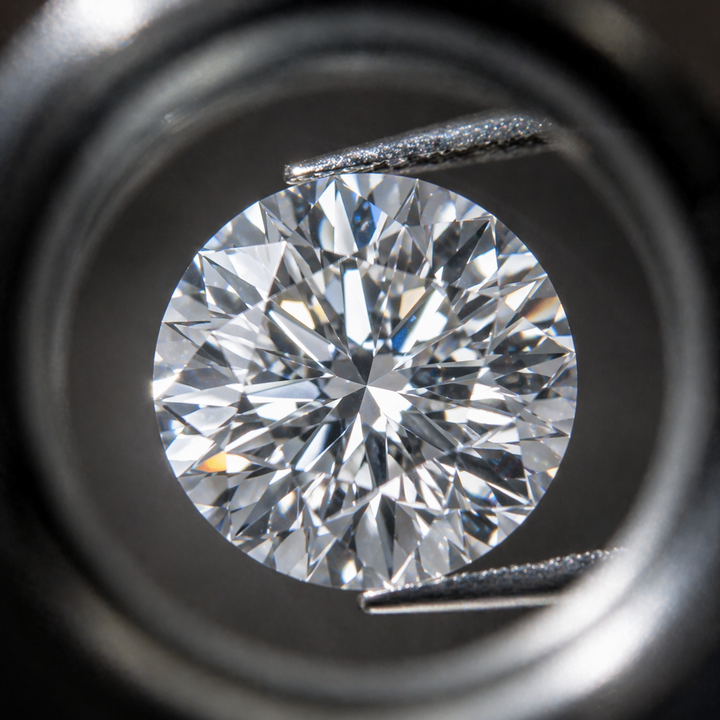
The diamond shape is the single biggest design decision. Round is the most popular and has the most brilliance. Oval has been trending for several years and elongates the finger. Emerald and asscher cuts have a more architectural, art deco feel. Pear and marquise are less common but make a strong statement.
There is no wrong answer here. It comes down to personal taste. If you are not sure what they prefer, pay attention to the jewellery they already wear. Clean and minimal usually points toward round or oval. More decorative taste might lean toward emerald, pear or vintage styles.
Choose your metal
The main options are yellow gold, white gold, rose gold and platinum. Each comes in different karats: 9K, 14K and 18K for gold, or 950 for platinum. Yellow gold is warm and classic. White gold has a similar look to platinum but at a lower price point. Rose gold has a softer, pinkish tone that complements warmer skin tones. Platinum is the most durable and naturally white, so it never needs replating.
If you are unsure, white gold or platinum are the safest choices as they pair with almost everything.
Pick your setting
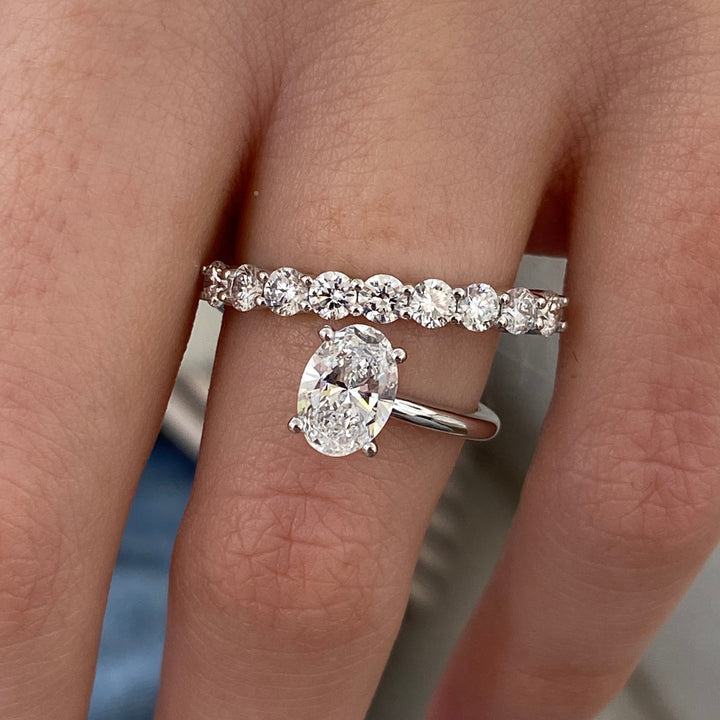
The setting is the design of the ring itself. A solitaire is a single stone on a plain band. A halo surrounds the centre stone with smaller diamonds. Three stone settings have a centre diamond flanked by two side stones. Side stone and diamond band settings add sparkle along the band.
Each setting affects how the diamond looks on the hand. Halos make the centre stone appear larger. Solitaires keep the focus entirely on the diamond. Diamond bands add overall sparkle without relying on one large stone.

Understand the 4Cs
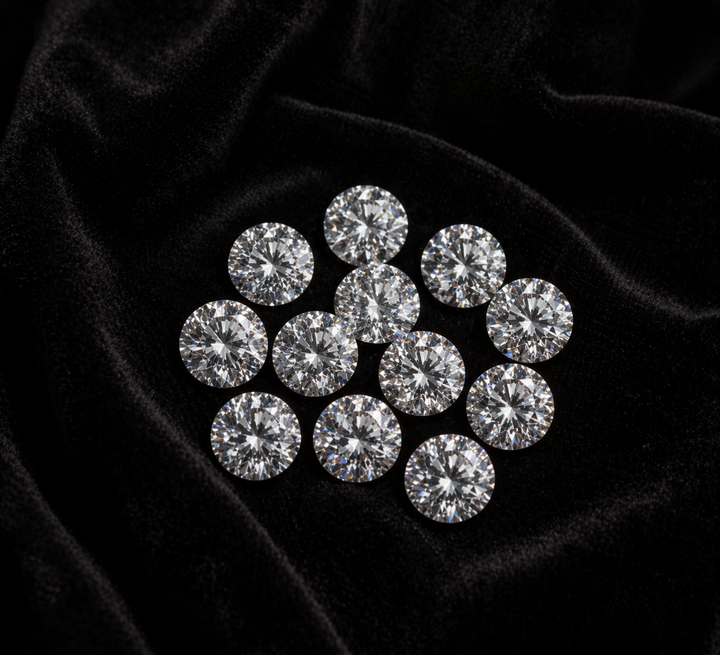
Cut, colour, clarity and carat are the four factors that determine a diamond's quality and price. Of these, cut is the most important because it controls how the diamond catches light. Read our complete guide to lab grown diamonds for a full breakdown of each one.
Prioritise cut, get colour and clarity to a level where imperfections are invisible to the naked eye, and let carat follow your budget.
Set a budget that works for you
Ignore the old rule about spending two or three months' salary. Spend what makes sense for your situation. At Luma, our engagement rings start from £820 and every ring is fully customisable on the product page. Because we work with lab grown diamonds and sell direct from Hatton Garden, you get significantly more for your money than you would with a mined diamond from a traditional jeweller.